
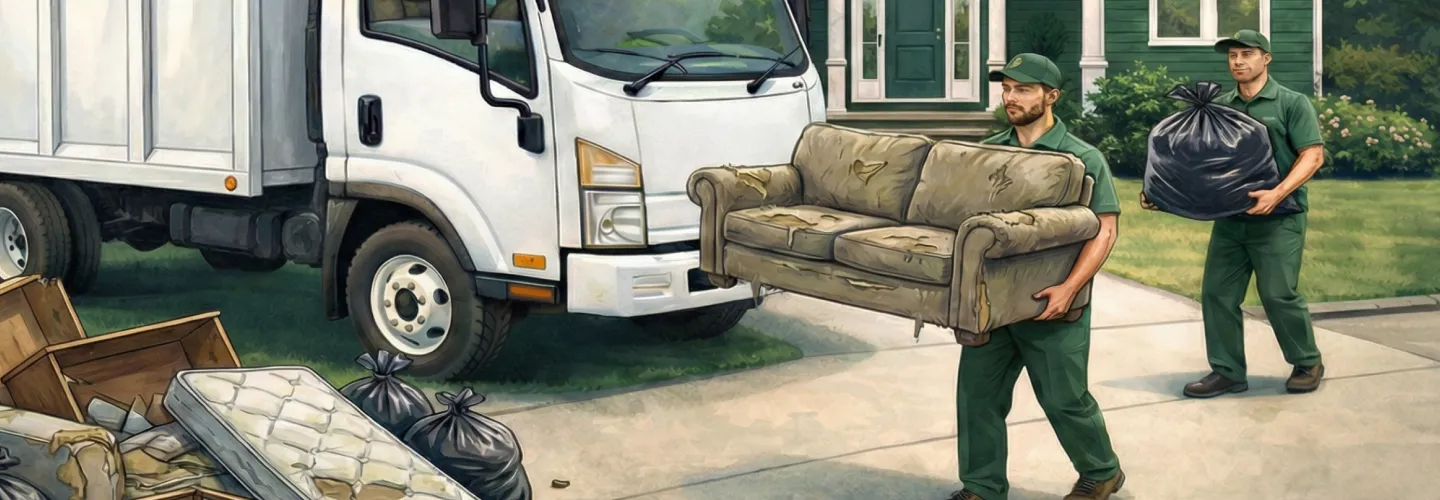
Lawrenceville Construction Waste Management Services
Choose our Construction Waste Management for reliable, eco-friendly disposal and recycling that keeps your project on schedule and your site clean—saving you time, money, and stress.
Get a Free QuoteOur Lawrenceville Junk Removal Services
Construction Waste Management in Lawrenceville, GA – Local Service Guide
Effective construction waste management in Lawrenceville, GA, requires a tailored approach for both residential and commercial needs. In neighborhoods like Edgewater and River Oak, residents often need to dispose of bulky items—such as furniture, appliances, or hot tubs—during seasonal cleanouts, home renovations, or after major life events. Local weather and property access can impact logistics, especially for large or heavy items. For residential spaces like garages, basements, and yards, spring and fall cleanups are common, particularly in areas prone to flooding or with heavy tree coverage. Commercial sectors in downtown Lawrenceville and along Sugarloaf Parkway face unique challenges, from high-volume debris at construction sites to discreet, scheduled pickups for offices and restaurants. Specialty services, including dumpster rentals and estate cleanouts, are often needed for foreclosures or major renovations, requiring careful planning and coordination. For guidance on local disposal rules and resources, visit the Lawrenceville Street Department.
Key Considerations for Construction Waste Management in Lawrenceville
- Timing cleanouts with local weather and seasonal events
- Securing necessary permits for large-scale disposal
- Using approved disposal and recycling channels
- Ensuring property access for large vehicles and equipment
- Estimating debris volume for proper container sizing
- Coordinating pickups for category-specific items and locations
Benefits of Construction Waste Management in Lawrenceville
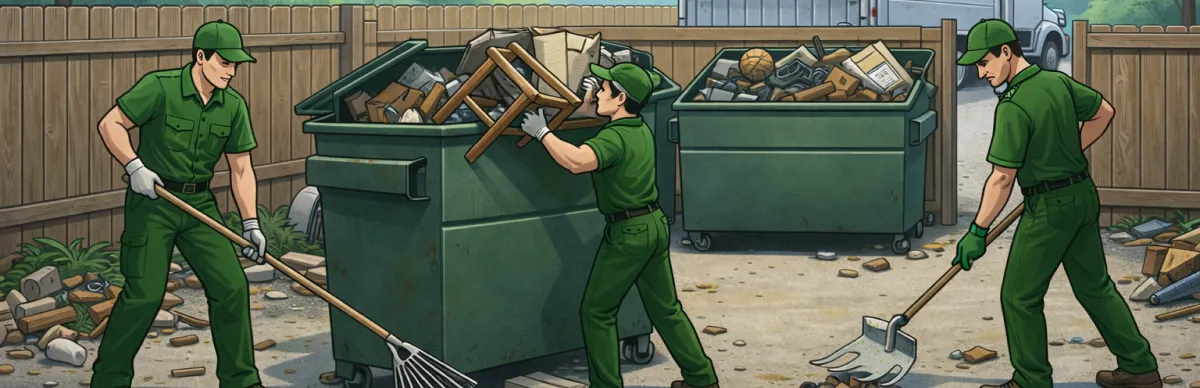
Efficient Waste Removal
Cost-Effective Solutions
Environmentally Friendly Practices
Regulatory Compliance
Improved Site Safety
Flexible Scheduling Options
Coordinating Construction Debris Disposal with Lawrenceville's Community Development Department
Construction and demolition projects in Lawrenceville generate significant volumes of waste materials requiring proper disposal coordination through municipal channels. The City of Lawrenceville's Community Development Department oversees permitting and development review processes that directly affect how construction waste must be managed on active job sites. Before beginning any renovation or demolition project, contractors and property owners should confirm permit requirements and waste handling obligations.
Key municipal coordination steps include:
- Building permit verification — demolition and renovation permits often include conditions for debris management and site cleanliness
- Code compliance inspections — active construction sites must maintain orderly waste storage to avoid violations
- Stormwater protection — debris must be prevented from entering storm drains or waterways during removal
- Street access coordination — hauling vehicles may require approval when operating on city rights-of-way
Failure to coordinate with city departments before debris removal can result in code enforcement actions and project delays.
Lawrenceville Community Development Department
70 S. Clayton Street, Lawrenceville, GA 30046
Phone: (770) 963-2414
Official Website: Lawrenceville Community Development
Georgia's Solid Waste Management Act and Construction Debris Compliance
Georgia regulates construction and demolition waste under the Georgia Comprehensive Solid Waste Management Act (O.C.G.A. § 12-8-20), which establishes disposal standards for all solid waste generated within the state. The Georgia Environmental Protection Division (GA EPD) enforces these requirements and oversees permitting for landfills and transfer stations that accept construction debris. Lawrenceville contractors and homeowners must comply with both state and local regulations when disposing of renovation and demolition materials.
Important state-level requirements include:
- Permitted disposal facilities — construction waste must be delivered to GA EPD-permitted landfills or inert waste facilities
- Prohibited materials — asbestos-containing materials, lead paint debris, and hazardous chemicals cannot be disposed of in standard construction debris landfills
- Manifest and tracking — large-scale demolition projects may require waste tracking documentation
- Inert waste classification — clean concrete, brick, and soil may qualify for disposal at less restrictive inert waste landfills at reduced fees
- Illegal dumping penalties — unauthorized disposal of construction debris carries fines up to $25,000 per day under Georgia law
Gwinnett County operates solid waste facilities that serve Lawrenceville residents and contractors for construction debris disposal.
Material Sorting and Separation Requirements for Lawrenceville Construction Projects
Proper sorting of construction and demolition materials is essential for regulatory compliance and landfill diversion in Lawrenceville. Many disposal facilities in the Gwinnett County area require loads to be separated by material type, and mixed loads may incur surcharges or be refused at certain facilities. Contractors should establish on-site sorting procedures before debris accumulates.
Common construction waste categories requiring separation include:
- Clean wood — untreated lumber, plywood, and framing materials may be accepted at wood recycling facilities
- Concrete, brick, and masonry — eligible for crushing and reuse as aggregate; often accepted at inert waste facilities
- Metals — steel, copper, and aluminum from framing, wiring, and fixtures should be separated for scrap recycling
- Roofing materials — asphalt shingles may be recyclable at specialized facilities; mixed roofing debris typically requires landfill disposal
- Drywall and gypsum — some facilities accept clean drywall separately for recycling; contaminated drywall must go to permitted landfills
- Hazardous materials — paint, solvents, adhesives, and treated wood require disposal through hazardous waste channels
On-site separation reduces disposal costs and supports Georgia's waste reduction goals. The EPA's Resource Conservation and Recovery Act (RCRA) provides federal guidance on proper waste classification.
Lawrenceville Code Enforcement Standards for Construction Site Waste Storage
The City of Lawrenceville enforces property maintenance and nuisance codes that apply directly to construction waste storage on active and inactive job sites. The Code Enforcement Division investigates complaints related to debris accumulation, unsecured waste, and improper storage that may affect neighboring properties or public safety. Contractors and property owners must maintain compliant waste management practices throughout the duration of any construction project.
Lawrenceville code enforcement standards for construction sites include:
- Debris containment — all construction waste must be stored in designated areas and not allowed to scatter onto adjacent properties or public rights-of-way
- Timely removal — accumulated debris must be removed at regular intervals; prolonged storage may trigger violation notices
- Stormwater compliance — loose materials must be covered or contained to prevent sediment runoff into the city's stormwater system
- Site screening — visible debris storage may require fencing or screening in certain zoning districts
Lawrenceville Code Enforcement
70 S. Clayton Street, Lawrenceville, GA 30046
Phone: (770) 963-2414
Official Website: Lawrenceville Code Enforcement
The Lawrenceville Stormwater Management program also monitors construction sites for erosion and sediment control compliance, which directly relates to how debris and soil are managed during active construction.
Hazardous Material Handling and Safety Protocols for Lawrenceville Renovation Debris
Renovation and demolition projects in Lawrenceville, particularly in structures built before 1978, may encounter hazardous materials that require specialized handling and disposal. Federal and state regulations impose strict requirements on the identification, removal, and disposal of these materials to protect workers, residents, and the environment.
Critical hazardous material considerations include:
- Asbestos — buildings constructed before 1980 may contain asbestos in insulation, floor tiles, and siding; a certified inspector must conduct surveys before demolition, and licensed abatement contractors must handle removal per EPA Region 4 guidelines
- Lead paint — the EPA Renovation, Repair, and Painting Rule requires lead-safe work practices in pre-1978 buildings; contractors must hold EPA RRP certification
- Chemical waste — paints, solvents, adhesives, and treated wood preservatives must be disposed of through licensed hazardous waste facilities
- OSHA compliance — workers handling construction debris must follow OSHA standards for personal protective equipment, dust control, and heavy lifting protocols
Lawrenceville Engineering Department
70 S. Clayton Street, Lawrenceville, GA 30046
Phone: (770) 963-2414
Official Website: Lawrenceville Engineering Department
What Neighborhoods Do We Serve Throughout Lawrenceville, GA?
- Downtown Lawrenceville — The historic city center features older commercial and mixed-use structures where renovation projects may encounter lead paint or asbestos. Narrow streets around the downtown square require careful coordination for debris hauling vehicles, and right-of-way access should be confirmed with the Street Department.
- Summerour — This established residential neighborhood contains single-family homes dating from various decades. Older properties may require hazardous material assessments before renovation debris removal, and tree-lined streets can limit overhead clearance for larger hauling equipment.
- Gwinnett Place Area — A commercial corridor with retail and office properties generating significant construction waste during tenant buildouts and renovations. Commercial waste hauler licensing and business permit coordination are essential for projects in this district.
- Archer Heritage — A neighborhood with a mix of historic and newer residential properties. Construction projects in this area should account for potential code enforcement scrutiny regarding debris storage and site maintenance standards.
- Collins Hill — Suburban residential developments with wider streets and driveway access that facilitate debris removal logistics. HOA regulations may impose additional requirements for construction waste storage visibility and project timelines.
- Prospect Church Road Corridor — A developing area with both residential and commercial construction activity. Active development means multiple projects may compete for disposal facility capacity, and stormwater management compliance is closely monitored during land-disturbing activities.