
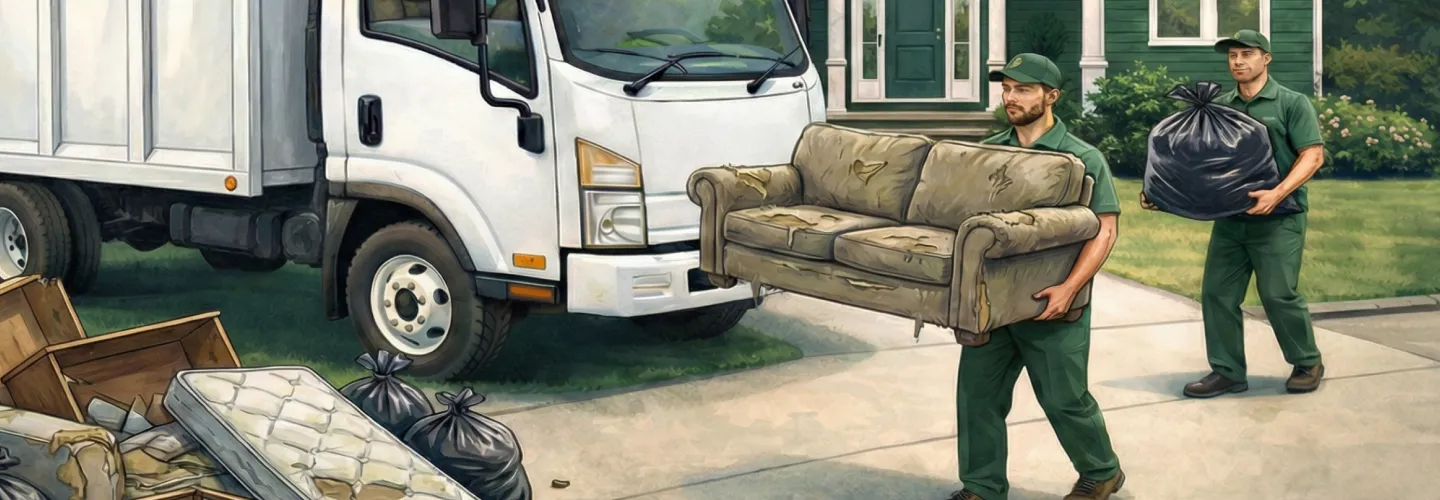
Lawrenceville Shed Removal Services
Choose our shed removal service for safe, efficient, and eco-friendly disposal—saving you time, effort, and giving you back valuable space without the stress.
Get a Free QuoteOur Lawrenceville Junk Removal Services
Shed Removal in Lawrenceville, GA – Local Service Guide
Shed removal in Lawrenceville, GA is a common need for homeowners in neighborhoods like River Oak Village and Flowers Crossing, especially during spring cleanouts or after major storms. Many residents choose to remove old or damaged sheds when upgrading outdoor spaces, replacing storage, or preparing for property sales. Local disposal options include recycling metal components or donating usable materials, but most sheds require professional dismantling due to size and access challenges. Weather and yard conditions—such as muddy ground after heavy rain—can impact scheduling and logistics. For residential properties, it’s important to check local regulations and coordinate with city services to ensure proper disposal. For more information on local rules and resources, visit the Lawrenceville Street Department.
Key Considerations for Shed Removal in Lawrenceville
- Timing: Plan around dry weather and avoid peak storm seasons
- Permits: Check if city approval is needed for demolition
- Disposal Channels: Use recycling or donation when possible
- Access: Ensure clear pathways for removal crews and equipment
- Volume: Larger sheds may require special hauling arrangements
- Coordination: Notify neighbors in close quarters or HOA communities
Benefits of Shed Removal in Lawrenceville
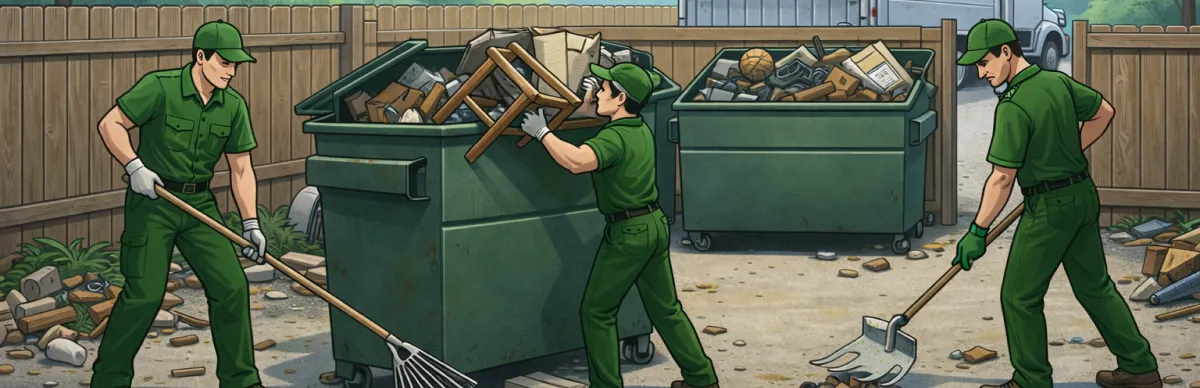
Fast Shed Removal Services
Licensed and Insured Team
Eco-Friendly Disposal
No Hidden Fees
Flexible Scheduling Options
Safe and Hassle-Free Process
Coordinating Shed Demolition Debris Disposal with Lawrenceville's Street Department
Shed removal in Lawrenceville generates significant volumes of construction and demolition debris, including lumber, roofing materials, metal fasteners, and concrete footings. Proper disposal of these materials requires coordination with municipal services and awareness of local waste handling protocols. Lawrenceville's Street Department oversees leaf and limb collection and right-of-way maintenance, but shed demolition debris typically exceeds standard curbside collection parameters. Residents should be aware of the following requirements:
- Construction debris such as treated lumber, shingles, and siding is not accepted through regular curbside collection
- Metal components including hinges, screws, brackets, and roofing nails must be separated for proper recycling
- Concrete and masonry from shed foundations require disposal at facilities accepting inert construction materials
- Gwinnett County operates solid waste facilities that accept construction and demolition debris from Lawrenceville residents
- Haulers transporting shed debris on public roads must comply with load-securing requirements to prevent roadway hazards
Lawrenceville Street Department
70 S. Clayton Street, Lawrenceville, GA 30046
Phone: (770) 963-2414
Official Website: Lawrenceville Street Department
Lawrenceville Permit and Zoning Requirements for Shed Demolition Projects
Before initiating shed removal, Lawrenceville property owners must verify whether permits are required through the city's Community Development and Zoning Administration offices. Demolition of accessory structures may require review depending on the shed's size, construction type, and proximity to property lines or easements. The following regulatory considerations apply:
- Demolition permits may be required for sheds exceeding certain square footage thresholds or those with electrical or plumbing connections
- Zoning compliance must be confirmed to ensure removal does not create nonconforming conditions on the property
- Historic district properties within Lawrenceville's downtown area may require additional review before demolishing any structure, including accessory buildings
- Utility disconnection must be completed and verified before demolition begins if the shed has electrical wiring, water lines, or gas connections
- Property owners should submit applications through the Lawrenceville Community Development department for guidance on applicable permit requirements
Lawrenceville Zoning Administration
70 S. Clayton Street, Lawrenceville, GA 30046
Phone: (770) 963-2414
Official Website: Lawrenceville Zoning Administration
Georgia Solid Waste Management Act Compliance for Shed Removal Debris
Georgia's solid waste regulations govern the disposal of construction and demolition materials generated during shed removal projects. The Georgia Environmental Protection Division (GA EPD) administers the state's Solid Waste Management Act, which establishes standards for waste handling, transportation, and disposal at permitted facilities. Lawrenceville residents and contractors must adhere to the following state-level requirements:
- Construction and demolition (C&D) debris must be disposed of at facilities specifically permitted to accept C&D waste under Georgia Rules Chapter 391-3-4
- Asbestos-containing materials found in older sheds (particularly those with certain siding, roofing, or insulation products manufactured before 1980) require licensed abatement and separate disposal per EPA regulations
- Treated lumber (pressure-treated wood containing chromated copper arsenate) is classified as a regulated material and must not be burned or disposed of improperly
- Lead-based paint on pre-1978 structures requires handling in accordance with the EPA Lead Renovation, Repair, and Painting Rule
- Illegal dumping of shed debris carries penalties under both state law and Lawrenceville municipal code
Stormwater Protection and Environmental Safeguards During Shed Removal in Lawrenceville
Shed demolition can disturb soil, expose bare ground, and generate debris that may impact local waterways if not properly managed. Lawrenceville's Stormwater Management program enforces erosion and sediment control measures to protect water quality throughout the city. Property owners undertaking shed removal should implement the following environmental safeguards:
- Erosion control measures such as silt fencing or straw wattles should be installed around the demolition area, particularly on sloped properties or those adjacent to drainage features
- Debris containment is essential to prevent construction materials, sawdust, and fasteners from entering storm drains or natural waterways
- Soil stabilization of the exposed ground where the shed stood must be completed promptly through seeding, sodding, or mulching
- Hazardous material containment is required if the shed stored paints, solvents, pesticides, or fuel — these must be removed and disposed of through Gwinnett County's Household Hazardous Waste collection events
- Lawrenceville's tree preservation ordinances may apply if shed removal requires cutting or damaging trees on the property; consult the city's Tree City USA program for guidance
Lawrenceville Stormwater Management
70 S. Clayton Street, Lawrenceville, GA 30046
Phone: (770) 963-2414
Official Website: Lawrenceville Stormwater Management
Recycling and Material Recovery Options for Shed Demolition Materials in Lawrenceville
Shed removal projects produce a variety of materials that can be diverted from landfills through recycling and material recovery programs. Separating materials at the demolition site improves recycling rates and may reduce disposal costs at permitted facilities. Lawrenceville residents should consider the following material recovery strategies:
- Scrap metal — steel roofing panels, aluminum flashing, copper wiring, and iron hardware can be taken to local scrap metal recyclers in the Gwinnett County area
- Untreated lumber in good condition may be donated to organizations such as Habitat for Humanity ReStore, which accepts reusable building materials
- Concrete and brick from shed foundations can often be recycled at C&D recycling facilities that process inert materials into aggregate
- Roofing shingles (asphalt) are accepted at select recycling facilities in the greater Atlanta metro area for processing into road paving material
- Windows, doors, and fixtures in functional condition should be considered for donation or resale before demolition begins
- Residents should separate recyclable materials from general debris before transporting loads to disposal facilities to comply with facility sorting requirements
Lawrenceville Code Enforcement
70 S. Clayton Street, Lawrenceville, GA 30046
Phone: (770) 963-2414
Official Website: Lawrenceville Code Enforcement
What Neighborhoods Do We Serve Throughout Lawrenceville, GA?
- Downtown Lawrenceville: The historic city center features older residential properties where sheds may contain lead paint or asbestos materials requiring special handling. Narrow lot configurations and alley access limitations may affect equipment staging and debris removal logistics.
- Summerour: This established neighborhood includes single-family homes with mature tree canopy that may restrict overhead clearance for equipment. Shed removal projects here often involve navigating fenced backyards with limited gate widths.
- Gwinnett Place Area: A mix of commercial and residential properties near the Gwinnett Place corridor presents varied shed types, from residential storage buildings to light commercial outbuildings. Access is generally favorable with wider roadways.
- Archer Heritage: Older homes in this area may have aging accessory structures built with materials predating modern building codes. Property owners should verify structure age before demolition to assess hazardous material risks.
- Scenic Highway Corridor: Properties along this corridor feature diverse lot sizes and setbacks. Shed removal near roadway frontage may require coordination with traffic management and right-of-way considerations.
- Hurricane Shoals Area: Larger residential lots in this area often accommodate sizable sheds and outbuildings. Equipment access is typically more accommodating, though soil conditions near creek areas may require erosion control measures during demolition.