
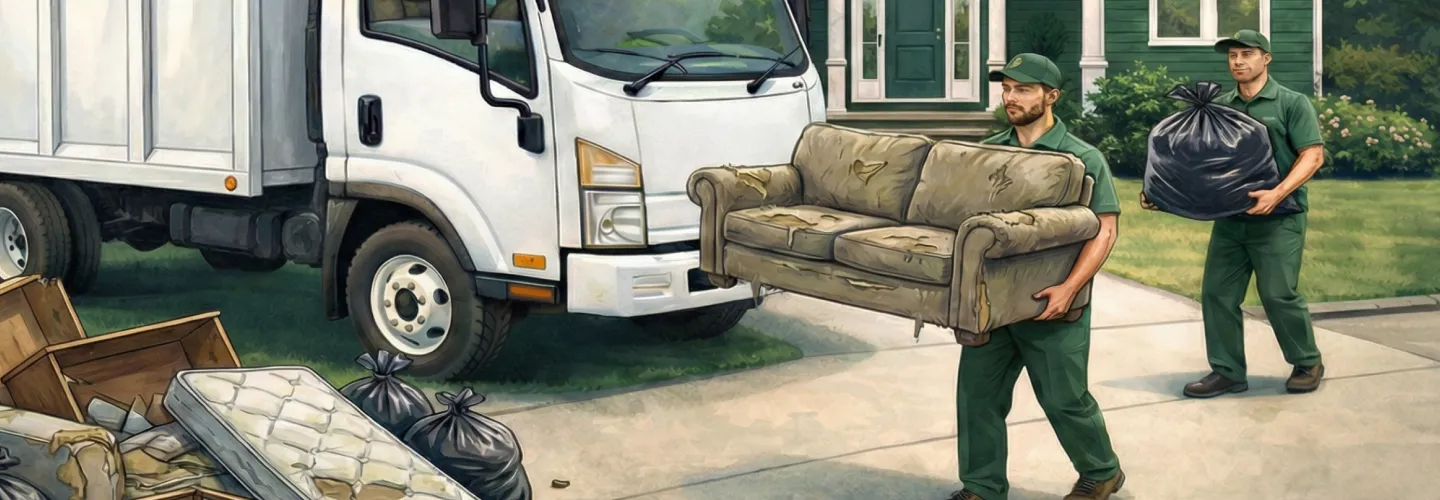
Lawrenceville Hoarding Cleanup Services
Choose our hoarding cleanup team for discreet, respectful service that restores safety, comfort, and peace of mind to your home—because you deserve a fresh start with trusted professionals by your side.
Get a Free QuoteOur Lawrenceville Junk Removal Services
Hoarding Cleanup in Lawrenceville, GA – Local Service Guide
Hoarding cleanup in Lawrenceville, GA requires a sensitive, strategic approach tailored to local needs. Whether you’re dealing with accumulated furniture in a historic home near the Lawrenceville Square or clearing out appliances from a property in the River Oak Village area, timing and logistics are key. Many residents schedule cleanouts during spring or after major life events, while local businesses in the Sugarloaf Parkway corridor often require discreet, after-hours service to minimize disruption. For residential items like mattresses, electronics, or hot tubs, options include donation, recycling, or city-approved disposal. Access can be challenging in older neighborhoods with narrow driveways or during rainy seasons, so planning is essential. Commercial clients—such as medical offices or retail spaces—often face strict operational timelines and higher volumes, requiring coordinated removal and compliance with local regulations. Specialty projects, including estate or foreclosure cleanouts, demand careful coordination and may involve multiple city departments for permits and compliance.
Benefits of Hoarding Cleanup in Lawrenceville
Compassionate and Discreet Service
Certified Cleanup Professionals
Fast Response Times
Thorough Sanitization and Odor Removal
Customized Cleanup Plans
Safe Disposal of Hazardous Materials
Coordinating Hoarding Cleanup with Lawrenceville Code Enforcement and Health Authorities
Hoarding situations in Lawrenceville often come to municipal attention through property maintenance complaints or fire safety inspections. The City of Lawrenceville's Code Enforcement division investigates violations related to excessive accumulation of materials, obstructed egress points, and unsanitary conditions that may affect neighboring properties. Residents and property owners should understand the following regulatory framework:
- Property maintenance standards enforced by Lawrenceville Code Enforcement require clear pathways, functional utilities, and absence of pest harborage conditions
- Fire code compliance mandates unobstructed exits, accessible windows, and clear access for emergency responders
- Violation notices may establish remediation timelines, typically ranging from 14 to 30 days depending on severity
- Gwinnett County Environmental Health oversees sanitation concerns including rodent infestations, mold growth, and biohazard conditions common in hoarding properties
- Repeat violations may result in escalating fines or legal action through Lawrenceville Municipal Court
Early coordination with code enforcement can help establish realistic cleanup timelines and avoid penalties.
Lawrenceville Code Enforcement
70 S. Clayton Street, Lawrenceville, GA 30046
Phone: (770) 963-2414
Official Website: Lawrenceville Code Enforcement
Biohazard Disposal and Hazardous Material Handling During Lawrenceville Hoarding Remediation
Hoarding properties frequently contain hazardous materials requiring specialized handling under Georgia and federal regulations. Accumulated waste may include expired chemicals, biological contaminants, animal waste, and deteriorated household products that cannot enter the standard municipal waste stream. The Georgia Environmental Protection Division oversees solid waste management regulations that govern proper classification and disposal of these materials.
- Biohazardous waste (animal remains, human waste, blood-contaminated items) must be handled by licensed medical waste transporters and cannot be placed in residential trash
- Household hazardous waste including paints, solvents, pesticides, and cleaning chemicals requires disposal through Gwinnett County's Household Hazardous Waste Collection events held periodically throughout the year
- Expired medications should be disposed of through DEA-authorized collection sites or pharmacy takeback programs rather than flushed or discarded in trash
- Asbestos-containing materials in pre-1980 Lawrenceville homes require assessment by a licensed inspector before disturbance, per EPA regulations under NESHAP
- Lead paint debris in pre-1978 structures must follow EPA Renovation, Repair, and Painting Rule safe work practices
Improper disposal of hazardous materials may result in fines under Georgia's Solid Waste Management Act (O.C.G.A. § 12-8-20).
Georgia Environmental Protection Division
2 Martin Luther King Jr. Drive SE, Suite 1456, Atlanta, GA 30334
Phone: (404) 656-4713
Official Website: Georgia Environmental Protection Division
Sorting, Recycling, and Landfill Diversion Requirements for Hoarding Cleanup in Lawrenceville
Large-volume hoarding cleanups generate significant waste that must be sorted and diverted from landfills where regulations require. Gwinnett County operates recycling and disposal infrastructure that serves Lawrenceville residents, and proper material separation is essential for compliance and environmental stewardship.
- Electronics (televisions, computers, monitors, printers) should not be placed in general waste; Gwinnett County provides periodic e-waste collection events and permanent drop-off options
- Appliances containing refrigerants (refrigerators, air conditioners, freezers) require certified refrigerant recovery under EPA Section 608 before disposal
- Scrap metal (appliances, shelving, tools) can be separated for recycling at local scrap facilities, reducing landfill volume
- Mattresses and furniture in salvageable condition may be accepted by donation organizations such as local Habitat for Humanity ReStore locations
- Paper, cardboard, and plastics should be separated from general debris for curbside recycling where feasible
- Yard waste and organic debris accumulated on hoarding properties must be kept separate from household waste for proper composting or disposal
Cleanup crews should establish on-site sorting stations to maximize diversion and ensure prohibited items do not contaminate general waste loads.
Lawrenceville Street Department
70 S. Clayton Street, Lawrenceville, GA 30046
Phone: (770) 963-2414
Official Website: Lawrenceville Street Department
Stormwater Protection and Environmental Compliance During Lawrenceville Hoarding Projects
Hoarding cleanup projects that involve exterior accumulation or significant debris removal must account for Lawrenceville's stormwater management regulations. Debris piles, chemical runoff, and disturbed soil can introduce pollutants into the city's storm drain system, which flows untreated into local waterways. The Lawrenceville Stormwater Management program enforces compliance with federal Clean Water Act requirements and local ordinances.
- Debris staging areas must be positioned away from storm drains, ditches, and drainage swales to prevent material from entering the stormwater system
- Liquid waste (spoiled food, cleaning chemicals, accumulated water) must never be poured into storm drains or onto open ground
- Sediment and erosion controls such as silt fencing or inlet protection may be required when exterior cleanup disturbs soil or ground cover
- Accumulated yard debris including leaves, branches, and organic matter should be contained during removal to prevent blockage of drainage infrastructure
- Wash water from post-cleanup property decontamination must be captured and disposed of properly, not discharged to storm drains
Violations of stormwater regulations may result in enforcement actions and fines from both the city and the EPA Region 4 office.
Lawrenceville Stormwater Management
70 S. Clayton Street, Lawrenceville, GA 30046
Phone: (770) 963-2414
Official Website: Lawrenceville Stormwater Management
Worker Safety and OSHA Compliance Standards for Hoarding Cleanup in Lawrenceville
Hoarding environments present serious occupational hazards that require adherence to OSHA standards and professional safety protocols. Structural instability, biological hazards, sharp objects, and airborne contaminants are common in hoarding properties throughout Lawrenceville. Cleanup personnel must be properly trained and equipped before entering these environments.
- Personal protective equipment (PPE) requirements include N95 or P100 respirators, puncture-resistant gloves, steel-toe boots, and Tyvek coveralls for biohazard exposure
- Structural assessment should be conducted before cleanup begins, as floor loading from accumulated materials may compromise structural integrity in older Lawrenceville homes
- Needle stick and sharps protocols must be followed when syringes, broken glass, or other sharps are encountered; sharps containers are required on-site
- Air quality monitoring may be necessary when mold, animal waste, or decomposing organic matter is present in enclosed spaces
- Heavy lifting procedures require team lifts for items exceeding 50 pounds and mechanical assistance for large appliances or furniture buried under debris
- Tetanus and hepatitis B vaccinations are recommended for workers regularly performing hoarding remediation
Lawrenceville's Public Safety department may be contacted for emergency coordination if structural collapse or acute hazard conditions are discovered during cleanup.
What Neighborhoods Do We Serve Throughout Lawrenceville, GA?
- Downtown Lawrenceville: Historic properties near the downtown square often feature older construction with narrow hallways and limited staging areas. Pre-1978 homes may require lead paint assessment before interior demolition or heavy debris removal during hoarding remediation.
- Summerour: This established residential area includes single-family homes with mature tree canopy that may limit truck access. Driveway staging and coordination with neighbors is often necessary for multi-day hoarding cleanup projects.
- Gwinnett Place Area: A mix of multi-family apartments and commercial properties near the Gwinnett Place corridor presents elevator access requirements and property management coordination for hoarding situations in rental units.
- Archer Heritage: Older residential properties in this area may present structural concerns due to prolonged hoarding conditions. Coordination with Lawrenceville Community Development may be necessary for properties requiring post-cleanup renovation permits.
- Collins Hill: Suburban subdivisions with HOA oversight may require advance notification and approval before staging cleanup equipment. Wide residential streets generally accommodate removal vehicles without parking restrictions.
- Five Forks Area: Newer construction in this growing area typically offers better structural integrity and wider access points, though multi-story homes may require stairwell navigation for upper-floor hoarding remediation.