
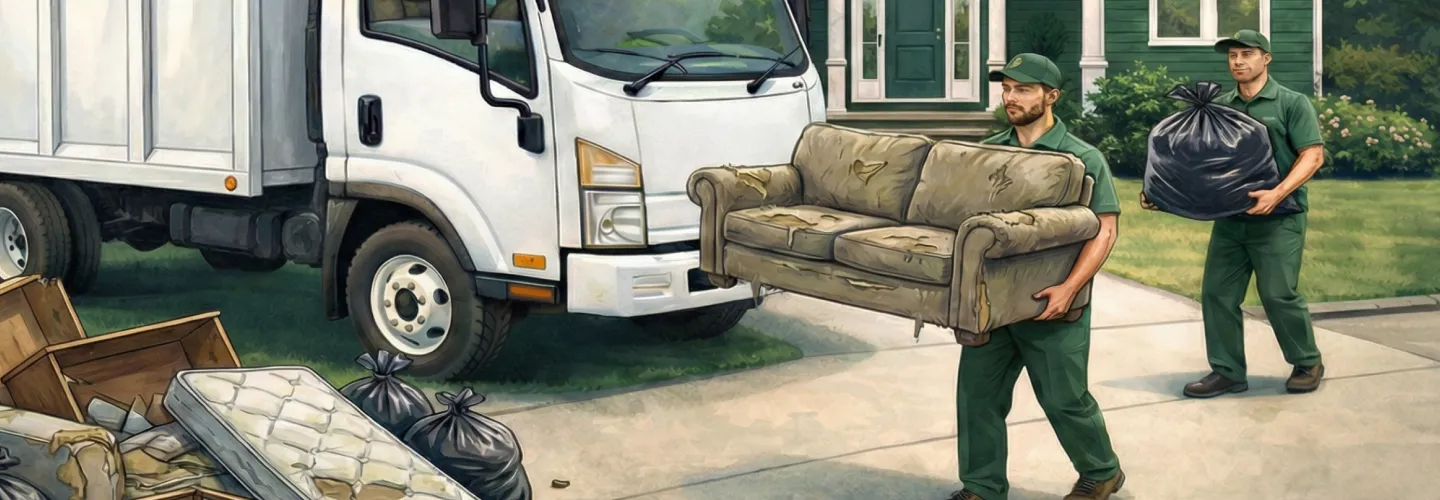
Lawrenceville Construction Debris Removal Services
Choose our construction debris removal for fast, reliable service that keeps your site safe, compliant, and clutter-free—so you can focus on building, not cleaning.
Get a Free QuoteOur Lawrenceville Junk Removal Services
Construction Debris Removal in Lawrenceville, GA – Local Service Guide
Construction debris removal in Lawrenceville, GA is essential for keeping homes, businesses, and neighborhoods clean and safe. In residential areas like Edgewater and River Oak Village, debris often accumulates during home renovations, appliance upgrades, or seasonal cleanouts. Residents may need to dispose of old furniture, mattresses, or scrap metal after spring cleaning or storm damage, with options to donate, recycle, or schedule city-approved pickups. For garages, basements, and yards, Lawrenceville’s tree coverage and occasional flooding can drive the need for regular debris removal, especially after heavy rains or during fall leaf cycles. Commercial properties in downtown Lawrenceville and along Sugarloaf Parkway face unique challenges, such as managing large volumes of construction waste discreetly and efficiently to minimize business disruption. Specialty services—like dumpster rentals for estate cleanouts or foreclosure properties—require careful planning and coordination, particularly in historic neighborhoods or during major renovations. For guidance on local disposal rules and schedules, consult the Lawrenceville Street Department.
Key Considerations for Construction Debris Removal in Lawrenceville
- Timing projects around local weather and seasonal events
- Securing necessary permits for large-scale removals
- Using approved disposal and recycling channels
- Ensuring easy access for removal vehicles in tight neighborhoods
- Estimating debris volume for proper equipment selection
- Coordinating with city services for specialty or high-volume needs
Benefits of Construction Debris Removal in Lawrenceville
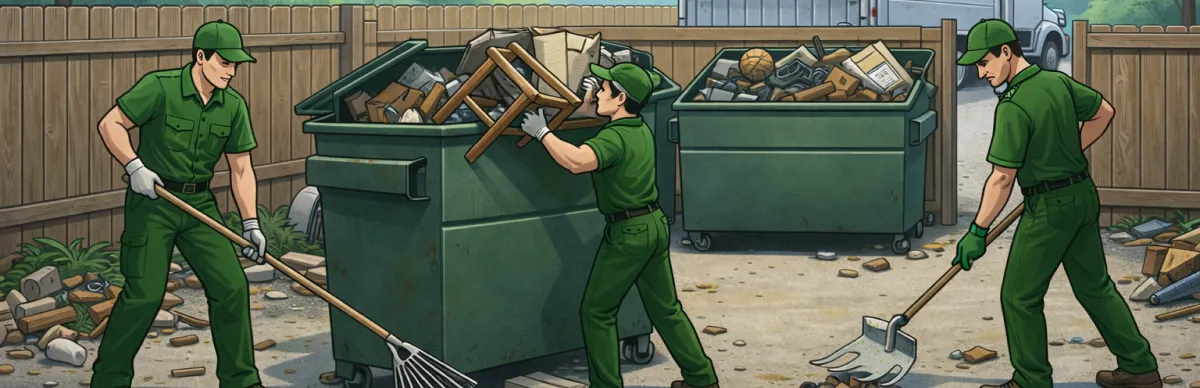
Fast and Reliable Cleanup
Safe Job Site Practices
Eco-Friendly Disposal Solutions
Cost-Effective Debris Removal
Flexible Scheduling Options
Experienced Local Professionals
Coordinating Construction Debris Removal with Lawrenceville's Community Development and Permitting Process
Construction and demolition projects in Lawrenceville generate significant volumes of debris including lumber, drywall, concrete, roofing materials, and metal framing. Before initiating debris removal, property owners and contractors must ensure all required building permits are secured through the city's permitting process. Lawrenceville's Community Development department oversees development review and permit guidance for renovation and demolition projects that produce construction waste. Key compliance steps include:
- Building permits must be obtained prior to any demolition or major renovation generating debris
- Demolition plans should account for debris volume estimates and disposal methods
- Contractor licensing and insurance verification are required for commercial haulers operating within city limits
- Project timelines must align with debris removal scheduling to prevent accumulation on-site
- Debris must not obstruct public rights-of-way, sidewalks, or stormwater drainage infrastructure
Failure to secure proper permits before generating construction waste may result in code violations and project delays.
Lawrenceville Community Development Department
70 S. Clayton Street, Lawrenceville, GA 30046
Phone: (770) 963-2414
Official Website: Community Development
Lawrenceville Code Enforcement Standards for Construction Site Debris Management
Lawrenceville's Code Enforcement division actively monitors construction sites to ensure debris does not create property maintenance violations or neighborhood nuisances. Construction debris left unsecured or accumulated beyond permitted timeframes can trigger enforcement actions. Property owners bear ultimate responsibility for site conditions, even when contractors manage day-to-day operations. Compliance requirements include:
- Site containment: All construction debris must be contained within the project site boundaries and not allowed to migrate onto adjacent properties or public areas
- Timely removal: Debris must be removed at regular intervals throughout the project; prolonged accumulation may trigger violation notices
- Prohibited dumping: Disposing of construction materials in vacant lots, wooded areas, or stormwater channels is strictly prohibited under municipal code
- Screening requirements: Visible debris piles on active construction sites may require temporary fencing or screening in residential zones
- Violation penalties: Code enforcement officers may issue citations requiring corrective action within specified timeframes
Residents can report construction debris violations through the Code Enforcement division for investigation.
Lawrenceville Code Enforcement
70 S. Clayton Street, Lawrenceville, GA 30046
Phone: (770) 963-2414
Official Website: Code Enforcement
Georgia's Solid Waste Management Act and Construction Debris Disposal Requirements
Georgia regulates construction and demolition debris under the Georgia Comprehensive Solid Waste Management Act (O.C.G.A. § 12-8-20), administered by the Georgia Environmental Protection Division (GA EPD). This legislation establishes the framework for how construction waste must be handled, transported, and disposed of throughout the state. Key regulatory provisions affecting Lawrenceville construction projects include:
- Permitted facilities: Construction and demolition debris must be transported to facilities holding valid solid waste handling permits issued by GA EPD
- Inert waste landfills: Clean concrete, brick, block, and uncontaminated soil may qualify for disposal at inert waste landfills, which have separate permitting requirements
- Manifest documentation: Haulers transporting construction debris should maintain load documentation identifying the waste origin, type, and destination facility
- Hazardous material exclusion: Construction debris contaminated with asbestos, lead paint, or chemical substances must be handled as hazardous waste under separate regulations
- Illegal dumping penalties: Georgia law imposes fines and potential criminal charges for unauthorized disposal of construction waste
Stormwater Protection and Environmental Compliance During Debris Removal in Lawrenceville
Construction debris removal activities must comply with Lawrenceville's stormwater management regulations to prevent sediment, pollutants, and construction materials from entering the municipal storm drain system. The city's Stormwater Management program enforces erosion and sediment control measures on construction sites, and debris removal operations are subject to these requirements. Environmental compliance measures include:
- Sediment barriers: Silt fencing or other erosion control devices must remain in place during debris removal to prevent runoff into storm drains
- Material containment: Loose debris such as sawdust, drywall dust, and granular roofing material must be swept or contained before rain events
- Prohibited discharges: Washing construction equipment or debris into storm drains violates federal Clean Water Act provisions and local ordinances
- Concrete washout: Concrete slurry and washout water must be collected in designated containment areas, not discharged to the ground or drainage channels
- Spill prevention: Fuel, hydraulic fluid, and paint from removal equipment must be managed with spill kits on-site
Construction sites disturbing one acre or more require a National Pollutant Discharge Elimination System (NPDES) permit. Lawrenceville's Engineering Department reviews stormwater compliance for development projects.
Lawrenceville Stormwater Management
70 S. Clayton Street, Lawrenceville, GA 30046
Phone: (770) 963-2414
Official Website: Stormwater Management
Material Sorting and Hazardous Waste Separation for Lawrenceville Construction Projects
Proper sorting of construction debris before disposal is essential for regulatory compliance and landfill diversion. Mixed loads containing hazardous materials may be rejected at disposal facilities, resulting in additional hauling costs and potential fines. Lawrenceville contractors and property owners should implement on-site separation practices for the following material categories:
- Recyclable metals: Steel framing, copper wiring, aluminum flashing, and iron pipe should be separated for scrap metal recycling facilities
- Clean wood: Untreated dimensional lumber and plywood may be accepted at wood recycling or biomass facilities; treated or painted wood requires separate disposal
- Concrete and masonry: Clean concrete, brick, and block can often be processed at concrete recycling facilities for use as aggregate
- Asbestos-containing materials: Buildings constructed before 1980 may contain asbestos in floor tiles, insulation, or siding; a licensed asbestos inspector must conduct surveys before demolition per EPA regulations
- Lead-based paint debris: Structures built before 1978 may contain lead paint; the EPA Renovation, Repair, and Painting Rule requires certified contractors for disturbance activities
- Roofing materials: Asphalt shingles may be recyclable at specialized facilities; contact Gwinnett County for accepted drop-off locations
Georgia Environmental Protection Division
2 Martin Luther King Jr. Drive SE, Suite 1456, Atlanta, GA 30334
Phone: (404) 656-4713
Official Website: Georgia EPD
What Neighborhoods Do We Serve Throughout Lawrenceville, GA?
- Downtown Lawrenceville: The historic city center features older commercial buildings and mixed-use structures where renovation projects frequently generate construction debris. Narrow streets around the downtown square may require coordination with the Street Department for temporary loading access during debris removal.
- Gwinnett Place / Sugarloaf Area: This commercial corridor includes retail centers and office complexes undergoing frequent tenant improvements. Large-scale commercial renovation debris requires coordination with property management for loading dock access and hauling schedules.
- Scenic Highway Corridor: A mix of older residential properties and redevelopment sites along this major thoroughfare. Pre-1980 structures may require asbestos and lead paint assessments before demolition debris can be removed.
- Collins Hill / Maltbie Area: Established single-family residential neighborhoods where home renovation and addition projects generate typical residential construction debris including drywall, lumber, and roofing materials. Most properties offer adequate driveway access for debris hauling vehicles.
- Lawrenceville Historic District: Properties within the designated historic district may require additional review through the Planning Commission before demolition or significant exterior renovation. Debris removal must preserve historically significant architectural elements as directed by preservation guidelines.
- Hurricane Shoals / Harbins Road Area: Newer residential subdivisions and developing areas where new construction debris is common. HOA regulations may impose restrictions on debris staging areas and removal schedules within these communities.