
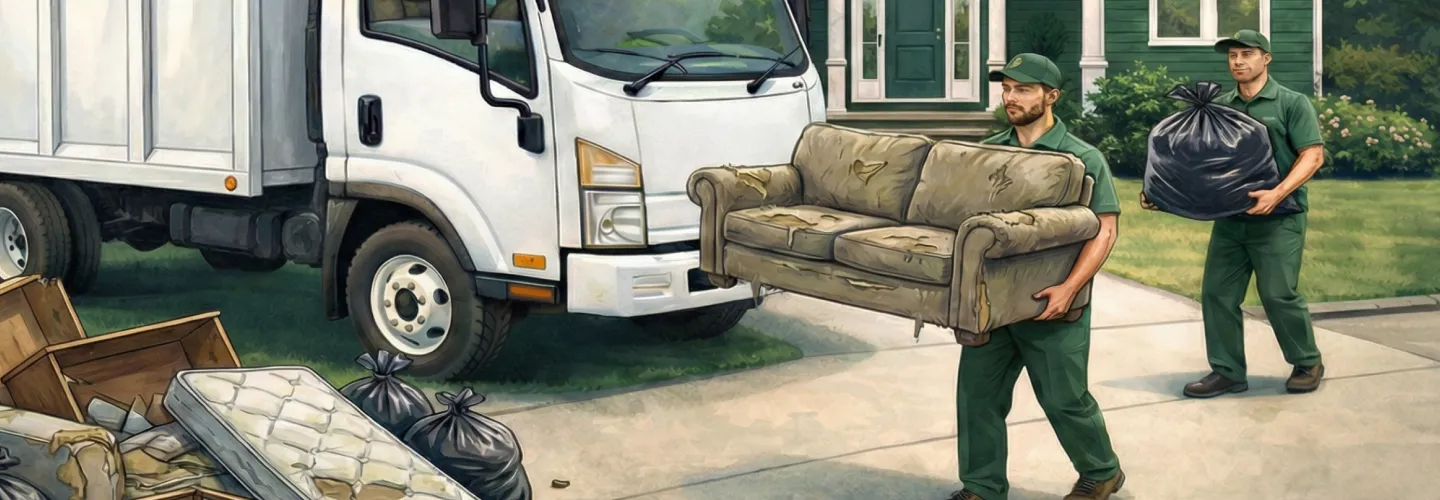
Lawrenceville Estate Cleanout Services
Choose our estate cleanout services for respectful handling, thorough cleanouts, and a stress-free experience during life's transitions—trust our team to manage every detail with care and professionalism.
Get a Free QuoteOur Lawrenceville Junk Removal Services
Estate Cleanout in Lawrenceville, GA – Local Service Guide
Estate cleanout in Lawrenceville, GA, requires careful planning and local know-how. Whether you’re clearing a home in the historic downtown district, a property in the River Oak or Flowers Crossing neighborhoods, or managing a commercial site near Sugarloaf Parkway, each scenario brings unique challenges. For residential items like furniture, mattresses, or appliances, cleanouts often follow life transitions, seasonal upgrades, or storm damage. Local donation centers and recycling programs help divert usable goods, while larger items may need special pickup or drop-off. Access, weather, and property layout—especially in older homes or those with limited driveway space—can impact logistics.
Garage, basement, and yard cleanouts are common after spring storms or during fall leaf cycles, particularly in areas with heavy tree coverage. Commercial cleanouts in Lawrenceville’s retail and medical corridors require discretion, off-hours scheduling, and efficient removal to minimize business disruption. Specialty services, such as hoarding or foreclosure cleanouts, demand sensitive coordination and may involve city code compliance. For guidance on local disposal rules and resources, visit the Lawrenceville Street Department.
Key Considerations for Estate Cleanout in Lawrenceville
- Timing around local weather and seasonal events
- Permit requirements for large-scale disposals
- Approved disposal and recycling channels
- Property access and parking limitations
- Volume and category of items being removed
- Coordination with city services for specialty pickups
Benefits of Estate Cleanout in Lawrenceville
Fast and Efficient Service
Experienced Cleanout Professionals
Eco-Friendly Disposal Solutions
Transparent Upfront Pricing
Comprehensive Estate Cleanout
Flexible Scheduling Options
Coordinating Estate Cleanout Disposal with Lawrenceville's Street Department and Gwinnett County Services
Estate cleanout projects in Lawrenceville generate significant volumes of household items, furniture, appliances, and miscellaneous debris that require proper disposal coordination. Lawrenceville falls within Gwinnett County's solid waste management jurisdiction, meaning residents must work with both municipal and county resources to ensure compliant removal. Key considerations for estate cleanout disposal include:
- Bulk item collection must be arranged through the resident's contracted waste hauler, as Lawrenceville does not operate a municipal curbside bulk pickup program directly
- Gwinnett County operates solid waste facilities that accept residential debris, including the Gwinnett County Solid Waste Transfer Station
- Sorting requirements apply to mixed estate contents — electronics, appliances, hazardous materials, and recyclables must be separated before disposal
- Leaf and limb collection for yard debris generated during exterior estate cleanouts is coordinated through the Lawrenceville Street Department, which handles right-of-way maintenance and seasonal collection programs
Residents should confirm accepted materials and operating hours before transporting estate cleanout debris to any disposal facility.
Lawrenceville Street Department
70 S. Clayton Street, Lawrenceville, GA 30046
Phone: (770) 963-2414
Official Website: Lawrenceville Street Department
Lawrenceville Code Enforcement Standards for Property Maintenance During Estate Cleanouts
Estate cleanout projects must comply with Lawrenceville's property maintenance and code enforcement standards throughout the removal process. Accumulated debris, furniture staged outdoors, and unsecured materials left on a property during cleanout can trigger code violations if not managed properly. The Lawrenceville Code Enforcement division investigates complaints related to property conditions and enforces municipal ordinances. Important compliance considerations include:
- Debris staging on driveways, yards, or sidewalks should be temporary and must not obstruct public rights-of-way or create safety hazards
- Overgrown vegetation discovered during estate cleanouts must be addressed to meet property maintenance standards
- Abandoned vehicles found on estate properties may require separate removal coordination and title documentation
- Pest and rodent concerns arising from long-neglected properties should be reported to Gwinnett County Environmental Health for inspection
- Stormwater protection is required during cleanouts — loose debris must not enter storm drains or waterways, per Lawrenceville Stormwater Management regulations
Failure to maintain property conditions during extended cleanout projects may result in notice of violation and potential fines.
Lawrenceville Code Enforcement
70 S. Clayton Street, Lawrenceville, GA 30046
Phone: (770) 963-2414
Official Website: Lawrenceville Code Enforcement
Georgia's Solid Waste Management Act and Hazardous Material Restrictions for Estate Cleanouts
Estate cleanouts frequently uncover hazardous materials that are prohibited from standard waste disposal under Georgia law. The Georgia Environmental Protection Division (GA EPD) administers the state's solid waste management regulations, which establish disposal standards for residential and commercial waste streams. Common hazardous items found during estate cleanouts that require special handling include:
- Paints, solvents, and chemicals — cannot be placed in regular trash; must be taken to a household hazardous waste collection event or facility
- Propane tanks and gas canisters — prohibited from landfill disposal due to explosion risk
- Pesticides and herbicides — classified as hazardous waste requiring proper containment and disposal
- Batteries — lead-acid batteries must be recycled; lithium batteries pose fire risk in waste streams
- Appliances containing refrigerants — refrigerators, air conditioners, and freezers require certified refrigerant recovery per EPA Section 608 regulations before disposal
- Pre-1978 building materials — homes built before 1978 may contain lead paint or asbestos, requiring assessment under the EPA Renovation, Repair, and Painting Rule
Gwinnett County periodically hosts household hazardous waste collection events where residents can dispose of these materials at no charge.
Georgia Environmental Protection Division
2 Martin Luther King Jr. Drive SE, Suite 1456 East, Atlanta, GA 30334
Phone: (404) 656-4713
Official Website: Georgia Environmental Protection Division
Donation and Recycling Diversion Strategies for Lawrenceville Estate Cleanout Materials
Responsible estate cleanout practices prioritize donation and recycling before landfill disposal. Lawrenceville residents have access to several material recovery options that reduce environmental impact and support community organizations. Estate cleanout items suitable for diversion include:
- Usable furniture, clothing, and housewares — local donation centers such as Habitat for Humanity ReStore and Goodwill accept items in functional condition; schedule pickups or drop off during posted hours
- Electronics and e-waste — computers, televisions, and peripherals should be recycled through Gwinnett County's designated electronics recycling drop-off locations rather than placed in household trash
- Scrap metal — old appliances (after refrigerant recovery), metal furniture frames, and hardware can be taken to scrap metal recyclers for material recovery
- Mattresses and box springs — Georgia does not have a mandatory mattress EPR program; however, some recycling facilities accept mattresses for a fee
- Books and paper goods — can be recycled through Gwinnett County's curbside recycling program or donated to local libraries and literacy organizations
Documenting donated items with receipts may provide tax deduction benefits for estate executors. Prioritizing reuse extends item life and reduces the volume of material sent to landfills.
Permits, Zoning, and Access Considerations for Estate Cleanout Projects in Lawrenceville
Large-scale estate cleanouts in Lawrenceville may require coordination with multiple city departments to ensure proper permitting and access. Properties undergoing significant cleanout — particularly those involving structural renovation or demolition debris — should be reviewed for applicable permit requirements. Key regulatory and logistical factors include:
- Zoning compliance — verify that cleanout activities, including temporary staging of materials and use of commercial vehicles, comply with residential zoning through Lawrenceville Zoning Administration
- Right-of-way access — removal trucks parked on public streets or blocking sidewalks may require coordination with the Street Department to avoid traffic or pedestrian obstructions
- Noise ordinances — estate cleanout work involving heavy equipment or power tools must comply with Lawrenceville's noise regulations; work is generally restricted during early morning and late evening hours
- Historic district properties — estates located within Lawrenceville's historic downtown area may be subject to additional review requirements for exterior modifications or demolition
- Commercial hauler licensing — any contracted waste removal company operating in Lawrenceville should maintain proper business licensing and insurance documentation
Contact Lawrenceville Community Development for guidance on permit requirements specific to your estate cleanout project scope.
Lawrenceville Community Development
70 S. Clayton Street, Lawrenceville, GA 30046
Phone: (770) 963-2414
Official Website: Lawrenceville Community Development
What Neighborhoods Do We Serve Throughout Lawrenceville, GA?
- Downtown Lawrenceville: Historic properties near the Lawrenceville Square often feature older construction with narrow interior layouts and potential lead paint concerns. Estate cleanouts in this area may require historic district coordination and careful material assessment for pre-1978 building components.
- Summerour: This established residential neighborhood features single-family homes with standard driveway access. Estate cleanouts here typically involve full household contents including furniture, appliances, and accumulated personal property requiring systematic sorting and disposal.
- Gwinnett Place Area: A mix of residential and commercial properties near the Gwinnett Place corridor presents varied cleanout challenges. Multi-family units may require elevator coordination and building management approval for large-scale removal projects.
- Archer Heritage: Older homes in this community may contain legacy materials requiring special handling. Tree-lined streets and mature landscaping can limit truck access and require advance route planning for removal vehicles.
- Collins Hill Area: Newer suburban developments with wider streets and accessible driveways facilitate efficient estate cleanout logistics. HOA regulations may govern debris staging timelines and exterior property appearance during cleanout activities.
- Lawrenceville West: Properties in this area range from mid-century homes to newer construction, creating varied disposal needs. Estate cleanouts may uncover a mix of modern electronics and older household items requiring different disposal streams.